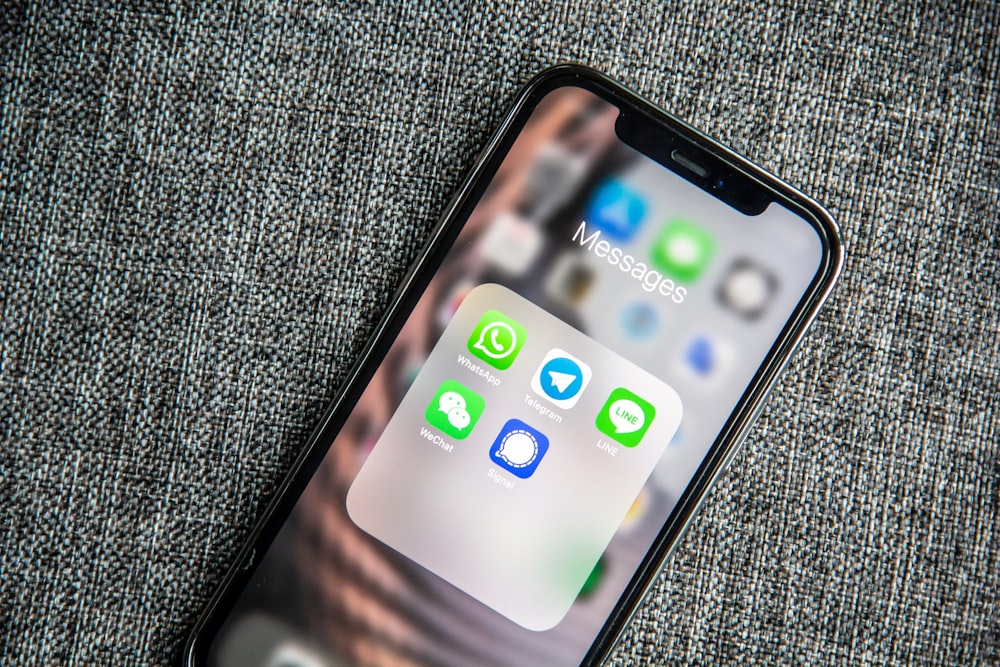
The new WhatsApp charge comes into effect on October 1, 2026, and directly impacts the accounts of those who serve guests through the channel: the responses your team sends within the conversation will no longer be free. This is not a fee created against the hospitality industry—it is a change in Meta's rules, which will now charge for messages sent in situations that were previously free.
This article explains, without alarmism, what actually changes, what remains free, and what can be adjusted in your operations before the date.
What Changes in the New WhatsApp Charge
Since the end of 2024, when a guest initiated a conversation, the hotel could respond freely for 24 hours without any cost. This window of service continues to exist—the change is that it will no longer be free.
Starting October 1, 2026:
- Service messages will be charged. A service message is any free-form text response that the hotel sends within the 24-hour window, whether written by a human attendant or generated by a bot.
- The charge is per message, not per conversation: each send counts.
- The rate follows the destination country's table—the same tariff that currently applies to utility and authentication messages. Hotels serving foreign guests will be charged according to the country of the guest's number.
- There is no volume discount in this category, unlike with message templates.
In practice: the photo of the room, the response about breakfast, and the confirmation of availability—each of these messages will have a price.
What Remains Free
Before redoing the math, it's worth separating what doesn't change:
- Everything the guest sends. Received messages remain free and unlimited.
- Click-to-WhatsApp Ads. Conversations that start from an ad on Facebook or Instagram have 72 hours of free exchange, without charge.
- The logic of message templates remains the same, including the volume discount tiers.
What is the Real Impact on Hotel Operations
The shock often comes from the wrong number. The unit cost of a service message is low—well below the cost of a marketing message. What weighs is the volume, because hotel service is not resolved in two lines.
A quote request can easily consume 15 to 30 messages: greeting, dates, number of people, photos, rate conditions, payment methods, cancellation policy. When each of these counts, the cost of the channel becomes relevant—though still small compared to what an OTA commission takes on the same reservation.
The practical conclusion is different: the problem is not responding, but responding poorly. A drawn-out conversation, photos sent one by one, a broken response in five bubbles, and a guest waiting four hours—these have always cost reservations. Now they also cost money.
Seven Ways to Reduce the Impact Without Degrading Service
None of the measures below ask you to serve less or worse. All target waste:
- Stop breaking the response into multiple bubbles. The habit of sending "hi," then "let me check here," then the information, multiplies the cost by three. A complete response is more valuable to the guest and costs less.
- Send photos in groups. Six individual photos are six messages. An album, or a link to the gallery, resolves in one send.
- Use a link for long content. Quotes, cancellation policies, and location details fit better in a single link than in a series of texts.
- Respond quickly, within the window. Letting the conversation cool down forces a reopening later with a paid template—more expensive than the response that wasn't given on time.
- Let the bot handle repetitive tasks—as long as it really resolves the issue. A bot that pushes menus and doesn't answer anything wastes messages and irritates the guest.
- Leverage Click-to-WhatsApp Ads. Besides bringing qualified leads, they guarantee 72 hours of free conversation.
- Measure. How many messages does your team spend per closed reservation? Without this number, any savings become a guess.
What to Do Before October 1
A short roadmap for the coming weeks:
- Assess the current volume of messages sent per month and per attendant.
- Review shortcuts and pre-set responses: each should deliver complete information, not just a part of it.
- Ask your technology provider what they are doing to reduce the number of sends—and demand a concrete answer.
- Align with the team: the rules have changed, and sending five bubbles now has a cost.
It's worth remembering the obvious that gets lost in the debate: WhatsApp remains the cheapest direct sales channel that the hospitality industry has. A reservation closed via WhatsApp costs a fraction of what the same reservation would cost via an OTA. The change requires process adjustments, not abandoning the channel.
Want to see how to reduce the number of messages without losing service quality? Schedule a free demonstration and we'll show you in practice, with numbers from your operation.